
Anterior Cruciate Ligament (ACL) injuries are a common occurrence, especially among athletes and physically active individuals. While ACL reconstruction is a widely accepted procedure to restore knee stability and function, it is important to understand its relationship with the development of post-traumatic osteoarthritis (PTOA). This blog post aims to shed light on the connection between ACL tears, reconstruction, and the subsequent risk of arthritis, while discussing prevention strategies.
The Link Between ACL Tears and Arthritis
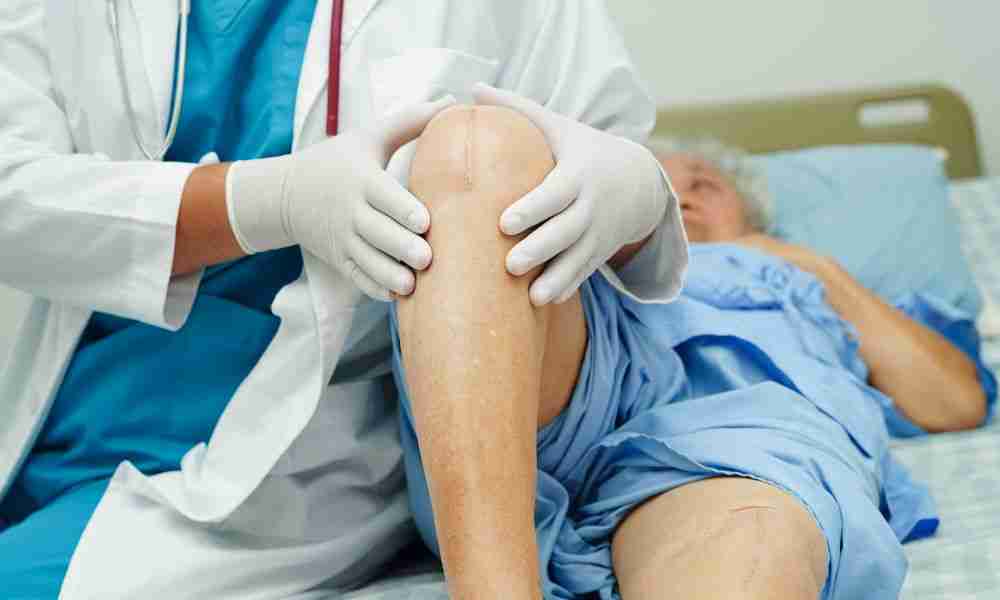
ACL injuries significantly elevate the risk of developing knee osteoarthritis, regardless of whether the injury is treated surgically or non-surgically. The trauma to the knee joint during an ACL tear initiates a cascade of degenerative changes that can lead to post-traumatic osteoarthritis. Even with successful ACL reconstruction, the risk of osteoarthritis remains higher compared to the general population.
Research consistently shows that patients who have ACL reconstruction are still more likely to develop arthritis in their knees. For example, one large study found that people with ACL injuries are almost four times more likely to develop arthritis, regardless of how they are treated. This means that the risk of arthritis remains high even after ACL surgery.
ACL Reconstruction and Osteoarthritis
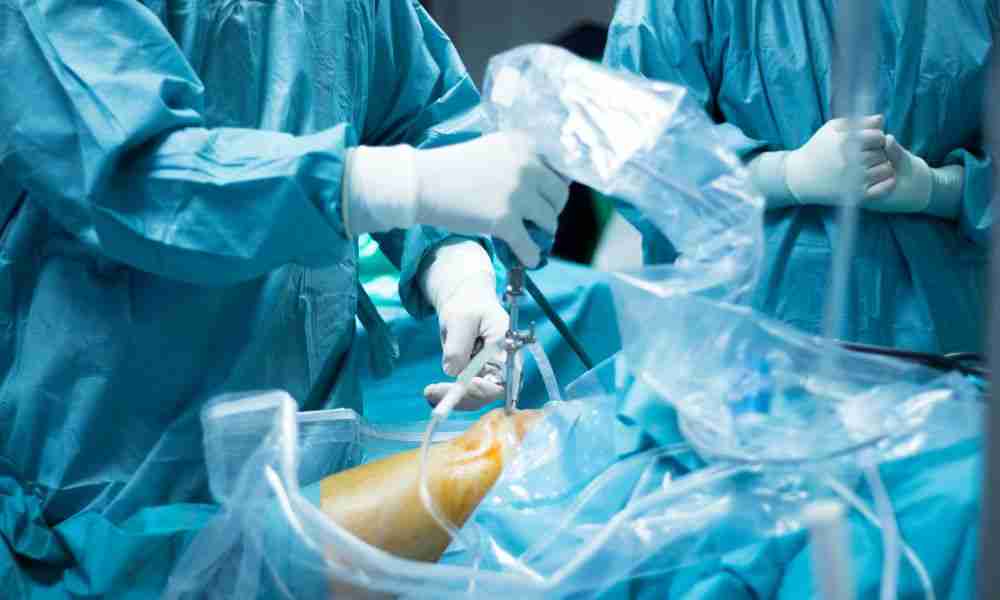
ACL reconstruction aims to restore the knee’s mechanical stability and function, potentially reducing the risk of secondary meniscal tears and further joint damage. However, it does not completely eliminate the risk of developing osteoarthritis. Webster and Hewett’s umbrella review found that ACL reconstruction is associated with a near 8-fold increase in the odds of developing knee osteoarthritis. Additionally, Cinque et al. reported that the prevalence of post-traumatic osteoarthritis increases over time, with an estimated 51.6% prevalence at 20 years post-surgery.
Interestingly, some studies suggest that the timing of ACL reconstruction can influence the risk of developing osteoarthritis. Early ACL reconstruction (within one year of injury) may offer protective benefits against osteoarthritis compared to delayed reconstruction or non-operative management. Research by Sanders et al. indicated that early ACL reconstruction significantly reduces the risk of secondary meniscal tears and symptomatic arthritis compared to delayed reconstruction or non-operative treatment.
Prevention Strategies
While ACL reconstruction can mitigate some risks associated with ACL injuries, it does not fully prevent the development of knee osteoarthritis. Here are some strategies to potentially reduce the risk of post-traumatic osteoarthritis after an ACL tear:
- Early Intervention: Consider early ACL reconstruction to minimize the risk of secondary joint damage and meniscal tears, which can contribute to the development of osteoarthritis.
- Rehabilitation: Engage in comprehensive rehabilitation programs that focus on strengthening the muscles around the knee, improving joint stability, and enhancing overall biomechanics.
- Weight Management: Maintaining a healthy weight can reduce the stress on the knee joint, potentially delaying or preventing the onset of osteoarthritis.
- Activity Modification: Adjusting high-impact activities and incorporating low-impact exercises like swimming or cycling can help preserve joint health.
- Regular Monitoring: Regular follow-up with an orthopaedic specialist can help monitor joint health and address any early signs of arthritis.
Conclusion
In summary, while ACL reconstruction can improve knee stability and function, it does not fully prevent the development of post-traumatic osteoarthritis. The decision to undergo ACL reconstruction should be made after careful consideration of the potential benefits and long-term risks. By understanding the relationship between ACL injuries and arthritis, and by adopting preventive measures, patients can better manage their knee health and potentially reduce the risk of osteoarthritis.
References
3.High Rates of Osteoarthritis Develop After Anterior Cruciate Ligament Surgery: An Analysis of 4108 Patients. Cinque ME, Dornan GJ, Chahla J, Moatshe G, LaPrade RF. The American Journal of Sports Medicine. 2018;46(8):2011-2019. doi:10.1177/0363546517730072.
4.Is Anterior Cruciate Ligament Reconstruction Effective in Preventing Secondary Meniscal Tears and Osteoarthritis?. Sanders TL, Kremers HM, Bryan AJ, et al. The American Journal of Sports Medicine. 2016;44(7):1699-707. doi:10.1177/0363546516634325.