

Understanding Your Expected Bills
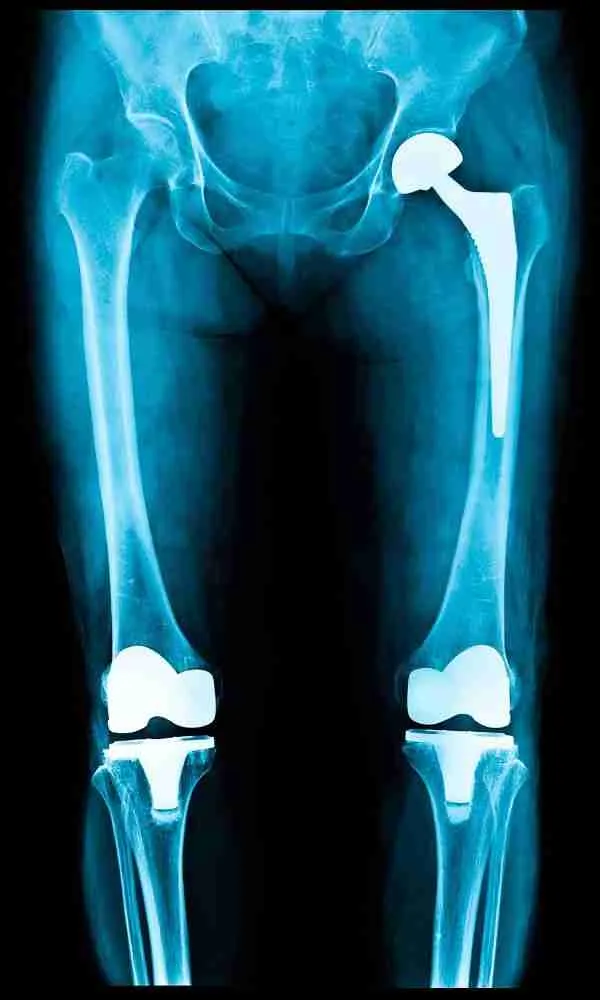
Hip or knee replacement surgery is a transformative procedure that can significantly improve the quality of life for individuals with severe arthritis or joint damage. However, the financial aspect of these surgeries is an important consideration. Understanding your expected bills is crucial for effective planning and decision-making.
Breakdown of Costs: Surgeon Fees, Anesthesia, Facility Fees, and Implant Costs
Surgeon Fees
Surgeon fees typically range from $3,000 to $15,000 for both hip and knee replacement surgeries. Factors influencing these costs include the surgeon’s expertise, location, and the complexity of the procedure.
Anesthesia Costs
Anesthesia ensures a safe and pain-free procedure, with costs depending on the type of anesthesia used and the duration of the surgery.
- Average Costs: $1,000 to $2,500.
Facility Fees
The facility fee depends on whether the procedure is performed in a hospital, hospital-owned surgery center, or independent surgery center. This fee covers operating room time, equipment, and post-surgery care.
- Typical Range: $30,000 to $100,000.
Implant Costs
Implants are a significant component of the total cost, with prices varying based on material and design.
- Hip Implants: $4,000 to $7,000.
- Knee Implants: $4,500 to $8,500.
How to Save Money on Hip or Knee Replacements
For more information on self-pay options, visit Self-Pay Hip or Knee Replacement.
- Request a Cost Estimate
Always ask for an itemized breakdown of costs, including surgery, hospital, and post-operative care.
- Consider Independent Surgery Centers
Independent surgery centers typically cost 30% less than hospitals or hospital-owned surgery centers while offering equal or superior care. These centers focus exclusively on elective surgeries and often avoid managing infected or emergency surgeries that can occur in hospitals.
- Improve Pre-Surgery Health
Prehabilitation exercises, managing weight, and addressing underlying health issues can reduce complications and associated costs.
- Explore Financial Assistance
Many hospitals and surgery centers offer payment plans or credit options for patients in need.
- Leverage Insurance Benefits
Understanding your insurance coverage is essential. Discuss your plan with your insurance provider to verify in-network providers, pre-authorization requirements, and any limitations. This step can help avoid unexpected expenses and maximize your benefits.
Insurance and Financial Considerations
Financial considerations play a key role in planning for hip or knee replacement surgery. Here’s what you need to know:
- Medicare typically covers 80% of the costs. If you have secondary insurance, it usually covers the remaining 20%, minimizing out-of-pocket expenses.
- Personal Injury, Worker’s Compensation, or Medicaid often cover 100% of surgery costs.
Additional Coverage Options
- Medicare: Covers most joint replacement surgeries but may not fully reimburse revision procedures.
- Private Insurance: Typically reimburses more than Medicare but requires understanding deductibles, co-pays, and provider networks.
- Bundled Payment Models: Some providers offer comprehensive packages that include surgery, hospital stay, and rehabilitation, simplifying billing and potentially reducing costs.
Postoperative Recovery Costs and Planning
The recovery process is a vital component of a successful hip or knee replacement. Patients typically require 6–12 weeks of physical therapy to rebuild strength, improve mobility, and ensure proper healing. These costs can vary widely, depending on your insurance coverage and provider. Additionally, planning for time off work and arranging assistance at home during the early recovery period is recommended.
Cost Breakdown for Recovery:
- Physical Therapy: $50 to $350 per session.
- Medications and Follow-Up Visits: Include these in your budget.
- Home Assistance or Medical Equipment (if needed): Varies by individual needs.
Understanding Your Bill: Transparency Matters
Patients often want to know where their expenses come from. The main contributors are:
- Surgeon Fees: For the surgeon’s expertise and time.
- Anesthesia: Ensures a pain-free surgical experience.
- Facility Fees: Includes operating room time, equipment, and post-operative care.
- Rehabilitation Costs: Covers physical therapy, follow-up appointments, and medications.
Conclusion: Planning for a Life-Changing Procedure
A hip or knee replacement is a significant investment that can enhance your quality of life. By understanding the costs, exploring strategies to save money, and leveraging insurance benefits, you can navigate the financial aspects with confidence. Consult your healthcare provider and insurance company to tailor solutions to your needs, ensuring a smoother recovery and improved mobility.
Reference
- Palsis JA, Brehmer TS, Pellegrini VD, Drew JM, Sachs BL. The cost of joint replacement: comparing two approaches to evaluating costs of total hip and knee arthroplasty. J Bone Joint Surg Am. 2018;100(4):326-333. doi:10.2106/JBJS.17.00161.Source
- Leal J, Murphy J, Garriga C, et al. Costs of joint replacement in osteoarthritis: a study using the National Joint Registry and Clinical Practice Research Datalink data sets. Arthritis Care Res (Hoboken). 2022;74(3):392-402. doi:10.1002/acr.24470.Source
- Molloy IB, Martin BI, Moschetti WE, Jevsevar DS. Effects of the length of stay on the cost of total knee and total hip arthroplasty from 2002 to 2013. J Bone Joint Surg Am. 2017;99(5):402-407. doi:10.2106/JBJS.16.00019.Source