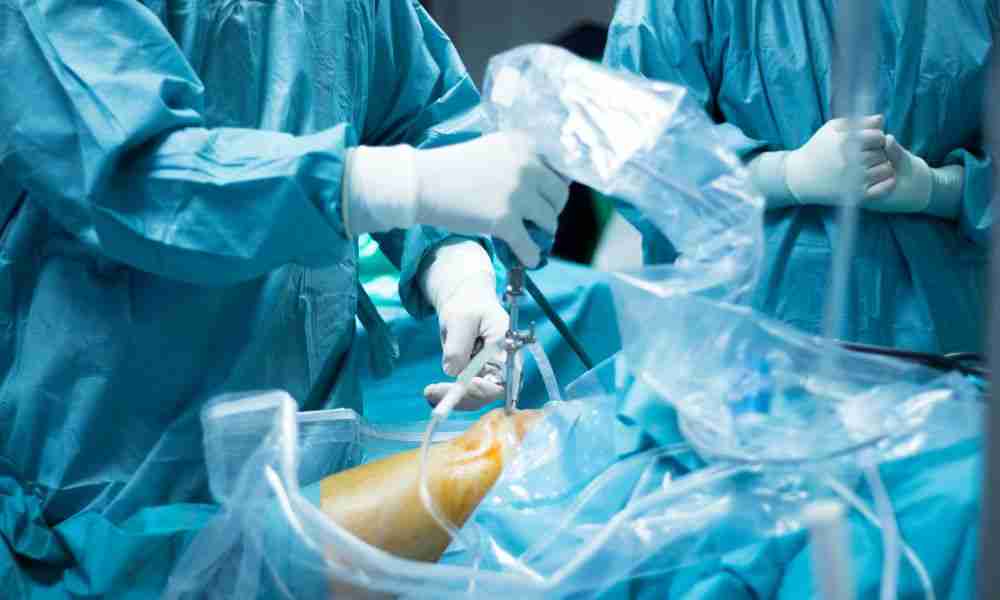
Total knee replacement (TKA) is a life-changing procedure for patients suffering from severe arthritis or knee dysfunction. With advancements in surgical techniques, many TKAs are now performed on an outpatient basis, allowing patients to recover at home. Hawaii residents considering TKA should understand the cost implications of having their surgery performed at different facilities, including independent outpatient surgery centers (ASCs) and hospital-owned surgical centers.
Understanding the Costs of TKA in Hawaii
The cost of TKA can vary significantly depending on the surgical setting. Medicare’s Procedure Price Lookup tool reports the estimated cost for CPT code 27447 (TKA) in hospital outpatient departments (HOPDs) and ASCs. In Hawaii, acute care daily room rates for hospital stays also factor into the cost differences between inpatient and outpatient care. For example, the Health Hawaii Agency’s 2023 data shows average daily rates for acute care rooms range between $3,000 and $4,500 depending on the hospital. In contrast, ASCs typically do not include overnight stays, significantly reducing the overall cost.

Cost Differences Between ASCs and HOPDs
A 2024 study in the Journal of the American Academy of Orthopaedic Surgeons highlights the financial advantages of ASCs for TKA:
- Lower 90-Day Costs: Patients undergoing TKA at ASCs incurred average costs of $35,634 within 90 days, compared to $38,096 for HOPD patients. The savings are attributed to reduced facility fees and shorter recovery periods.
- Reduced Additional Healthcare Utilization: ASC patients had fewer inpatient admissions (2.5% vs. 4.8%) and emergency department visits (8.9% vs. 12.7%) compared to HOPD patients, resulting in fewer unplanned healthcare expenses.
Table 2: 90-Day Cost Comparison of TKA by Facility Type (2024)
| Cost Component | ASC ($) | HOPD ($) |
| Total 90-Day Cost | 35,634 | 38,096 |
| Day of Surgery Costs | 27,797 | 28,274 |
| Post-Surgery Care Costs | 7,837 | 9,822 |
Exploring Surgical Facility Options
When deciding where to undergo TKA, it is essential to understand the distinctions between facility types, as they have different cost structures, resources, and patient care models.
1. Independent Ambulatory Surgery Centers (ASCs)
Independent ASCs are privately owned facilities specializing in outpatient procedures. HonoluluSpine Center, found at HonoluluSpine.com, is the only independent ASC in Honolulu providing high-quality total knee replacements. These centers typically focus on efficient operations, leading to lower costs and better outcomes. Key features include:
- Streamlined Processes: Independent ASCs often implement optimized workflows for surgical procedures, reducing delays and inefficiencies.
- High-Quality Anesthesia Services: Anesthesia teams at ASCs are highly specialized, ensuring patient safety and comfort.
- Focus on Outcomes: With dedicated resources, independent ASCs deliver consistent, superior patient care.
- Cost Efficiency: Reduced overhead compared to hospital-based facilities.
2. Hospital Outpatient Departments (HOPDs)
HOPDs are extensions of hospitals and often share resources, such as staff and equipment. While they offer more comprehensive care, the cost is higher due to:
- Hospital Overhead: Inclusion of indirect costs like administration and infrastructure.
- Broader Patient Scope: Capability to handle higher-risk or complex cases.
3. Hospital-Owned ASCs
These facilities combine the efficiency of independent ASCs with the resources of hospitals. While costs are typically lower than HOPDs, they may still reflect hospital-associated fees:
- Hybrid Model: Offers outpatient convenience with access to hospital support if complications arise.
- Higher Costs than Independent ASCs: Due to partial hospital overhead allocation.
4. Inpatient Surgery at Hospitals
Inpatient surgeries are for patients requiring extended monitoring or those with significant medical complexities. Features include:
- Full Resource Availability: Access to ICUs, specialized staff, and diagnostic equipment.
- Higher Costs: Longer hospital stays and additional service fees contribute to increased expenses.
Medicare Coverage and Reimbursement
Medicare and most private insurers cover TKA at both ASCs and HOPDs. However, the reimbursement rates differ:
- ASCs: Medicare pays a flat rate for procedures performed at ASCs, incentivizing efficiency without compromising patient care. This rate is typically lower than what hospitals receive.
- HOPDs: Hospital-owned centers receive higher reimbursements, often justified by their ability to handle higher-risk patients and provide extensive resources.
Table 3: Medicare Reimbursement Rates for TKA (CPT 27447)
| Facility Type | Medicare Reimbursement ($) | Estimated Co-Pay ($) |
| Ambulatory Surgery Center | 12,500 | 2,500 |
| Hospital Outpatient Dept. | 15,800 | 3,160 |
Co-Pays and Medicare Components
For Medicare patients, the out-of-pocket costs for TKA consist of co-pays for three main components:
- Facility Fees: Co-pays for ASCs are typically lower than HOPDs due to reduced overhead. For example, a Medicare co-pay at an ASC might be around $2,500 compared to $3,160 at an HOPD.
- Surgeon Fees: These are often consistent across facility types, as Medicare reimburses based on standard rates for the surgeon’s professional services.
- Anesthesia Fees: Like surgeon fees, anesthesia costs are generally consistent but can vary slightly based on the facility’s billing practices.
Medicare covers 80% of the approved costs for TKA, with patients responsible for the remaining 20% unless they have supplemental insurance.
Why ASCs Cost Less for Medicare
ASCs are inherently designed to lower costs for Medicare and patients due to several factors:
- Streamlined Operations: ASCs are specialized facilities that focus exclusively on outpatient procedures, reducing unnecessary administrative and operational expenses.
- Shorter Recovery Times: The absence of overnight stays means fewer resources are consumed, lowering both Medicare’s and patients’ costs.
- Bundled Payment Models: Many ASCs offer bundled payment agreements, reducing variability and enabling Medicare to negotiate lower rates.
Maximizing Savings
Patients can save on their TKA by:
- Choosing an ASC: Work with your surgeon to determine if you qualify for outpatient TKA. Patients with fewer comorbidities are ideal candidates.
- Using Medicare Tools: Visit Medicare’s Procedure Price Lookup tool to compare costs at different facilities in Hawaii.
- Understanding Facility Ownership: Ask whether the surgery center is independently owned or hospital-affiliated. Independent ASCs typically offer lower costs.
Conclusion
Total knee replacement can significantly improve quality of life, but understanding the financial aspects is essential for Medicare patients. By opting for an outpatient procedure at an independent surgery center, such as HonoluluSpine Center, patients in Hawaii can reduce costs while maintaining high standards of care. Always discuss with your surgeon to determine the best option for your specific needs. Additionally, patients should use available resources to compare costs and plan their procedures to maximize savings while ensuring optimal health outcomes.
Resources:
- Medicare Procedure Price Lookup Tool: Medicare.gov. “Procedure Price Lookup for CPT Code 27447.” Available at https://www.medicare.gov/procedure-price-lookup.
- Health Hawaii Agency: Hawaii State Department of Health. “2023 Acute Care Daily Room Rates.” Published September 2023. Available at https://health.hawaii.gov/shpda/files/2024/09/2023UR-Table-20-Acute-Care-Daily-Room-Rates.pdf.
- Journal of the American Academy of Orthopaedic Surgeons: Tommy Kim et al. “Cost Difference in Performing Total Knee Arthroplasty at Ambulatory Surgical Centers Compared with Hospital-Based Outpatient Departments: Observational Study.” JAAOS, December 2024. DOI:10.5435/JAAOS-D-23-00698.
- Honolulu Spine Center: Official Website. “HonoluluSpine.com.” Available at https://www.honoluluspine.com.
- CMS Bundled Payment Models: Centers for Medicare & Medicaid Services. “Comprehensive Care for Joint Replacement (CJR) Model.” Available at https://innovation.cms.gov/innovation-models/cjr.
- Cost Analysis and Trends: Carey K, Morgan JR, Lin MY, et al. “Patient Outcomes Following Total Joint Replacement Surgery: A Comparison of Hospitals and Ambulatory Surgery Centers.” J Arthroplasty 2020;35:7–11. DOI:10.1016/j.arth.2020.06.048.
- Consumer Price Index: U.S. Bureau of Labor Statistics. “Consumer Price Index for All Urban Consumers.” Available at https://www.bls.gov/cpi/.