Knee pain is a common ailment affecting millions worldwide, often resulting from conditions such as osteoarthritis, sports injuries, or general wear and tear. While traditional treatments like physical therapy, medication, and even surgery have long been utilized, a growing number of patients are exploring alternative therapies. One such option is laser treatment. But the question remains: Does laser treatment work for knee pain? This article delves into the evidence for laser therapy, the conditions it may treat, and alternative options worth considering.
Evidence For Laser Therapy
Understanding Laser Therapy
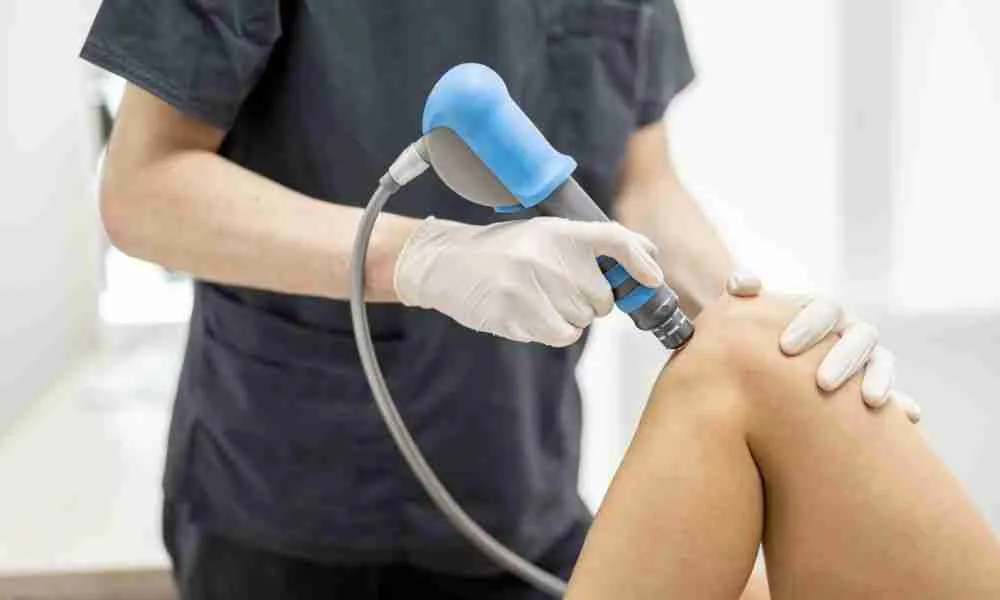
Laser therapy, particularly low-level laser therapy (LLLT), is a non-invasive treatment that uses specific light wavelengths to penetrate the skin and stimulate tissue repair. It aims to reduce inflammation, relieve pain, and promote healing at the cellular level.
Scientific Support
Scientific studies have demonstrated the efficacy of laser therapy for reducing pain and disability in knee osteoarthritis. A systematic review by Stausholm et al. (2019) highlighted that low-level laser therapy significantly reduced pain and improved functional outcomes in patients with knee osteoarthritis. This meta-analysis, based on randomized placebo-controlled trials, provides robust evidence for the efficacy of laser therapy in managing knee pain. The study emphasized the safety and effectiveness of this non-invasive modality, making it a valuable adjunct to traditional treatments.
Similarly, Ahmad et al. (2022) found that low-level and high-intensity laser therapy, when combined with rehabilitation exercises, provided significant improvements in pain, stiffness, and joint function in knee osteoarthritis patients. This systematic review and meta-analysis further support the integration of laser therapy into comprehensive treatment plans.
A review by DE Oliveira et al. (2022) explored the use of photobiomodulation therapy, including both low-intensity laser and LED, for managing musculoskeletal pain. The study concluded that this approach effectively reduced inflammation and pain, particularly in chronic conditions like knee osteoarthritis.
How It Works
- Inflammation Reduction: Laser therapy reduces the production of inflammatory markers in the joint.
- Cellular Repair: The therapy stimulates mitochondrial activity, boosting cellular energy and aiding tissue repair.
- Pain Relief: It releases endorphins, the body’s natural painkillers, providing immediate relief.
Conditions Laser Therapy May Treat
Osteoarthritis
Osteoarthritis is among the most researched conditions for laser therapy. Patients with mild to moderate stages often experience pain reduction, improved joint function, and delayed need for surgical intervention.
Sports Injuries
Laser therapy can be used for acute injuries, such as ligament strains or meniscal tears, by accelerating the healing process and reducing swelling.
Chronic Pain Syndromes
For conditions like patellar tendonitis or bursitis, laser therapy offers a non-invasive option for pain management.
Post-Surgical Recovery
Patients recovering from knee surgery may benefit from laser therapy to reduce swelling, enhance healing, and minimize scar tissue formation.
Alternatives To Consider
While laser therapy has shown promise, it is not a one-size-fits-all solution. Here are alternative options:
Traditional Treatments
- Physical Therapy: Strengthens muscles around the knee to improve stability.
- Medications: NSAIDs and corticosteroid injections offer temporary relief.
- Surgery: Total knee replacement remains the definitive solution for severe osteoarthritis.
Complementary Therapies
- Acupuncture: Proven to reduce pain and improve function in knee osteoarthritis.
- TENS (Transcutaneous Electrical Nerve Stimulation): Provides pain relief by disrupting pain signals.
Lifestyle Changes
- Weight Management: Reducing body weight decreases stress on knee joints.
- Exercise: Low-impact activities like swimming or cycling improve joint health.
Risks And Limitations Of Laser Therapy
While generally safe, laser therapy has some limitations:
- Inconsistent Results: Not all patients experience significant improvement.
- Access and Cost: Laser devices and treatments can be expensive and may not be widely available. Additionally, insurance does not typically cover laser treatments, which could make it less accessible for some patients.
- Skill-Dependent Outcomes: Results often depend on the provider’s expertise.
FAQs
1. How long does it take to see results with laser therapy?
Most patients report improvements after 4-6 weeks of consistent treatment sessions. Individual responses may vary depending on the severity of the condition and adherence to the treatment protocol.
2. Are there any side effects?
Laser therapy is considered safe when performed by trained professionals. Side effects, if any, are minimal and may include mild skin irritation or a temporary increase in pain in rare cases.
3. Can I use laser therapy at home?
Yes, some devices are approved for at-home use. However, it’s crucial to follow professional guidance to ensure proper usage and effectiveness. Incorrect use can reduce the benefits or lead to minor side effects.
4. Is laser therapy covered by insurance?
Insurance coverage for laser therapy varies by provider and policy. Patients are advised to check with their insurance company to determine coverage for this treatment.
5. How does laser therapy compare to other treatments?
Laser therapy is a non-invasive option that can complement traditional treatments like physical therapy or medication. It may not replace surgery or other intensive treatments for severe conditions but is a valuable adjunct for pain management and healing.
6. Can laser therapy prevent the need for surgery?
In some cases, laser therapy can delay or reduce the need for surgery by improving joint function and reducing pain. However, it may not be sufficient for advanced conditions requiring surgical intervention.
7. What happens during a laser therapy session?
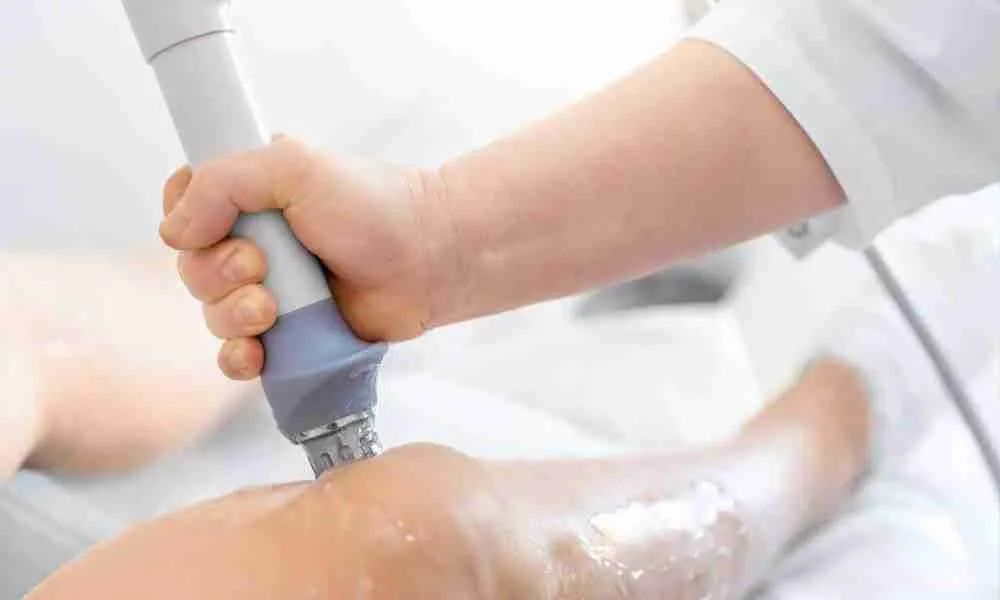
A trained practitioner uses a handheld device to direct light beams to the affected area. Sessions typically last 5-15 minutes, depending on the condition being treated. The process is painless and requires no downtime.
8. Who is not a good candidate for laser therapy?
Laser therapy is not recommended for individuals with certain conditions, such as cancer, or for those who are pregnant. A healthcare provider should evaluate your medical history before starting treatment.
9. How much does laser therapy cost?
Costs vary depending on location, provider, and the number of sessions required. On average, a single session can range from $50 to $200.
10. Can laser therapy be used alongside other treatments?
Yes, laser therapy is often used in combination with other treatments, such as physical therapy or medications, to enhance overall outcomes.
Conclusion
So, does laser treatment work for knee pain? The answer depends on the individual and the condition being treated. Scientific evidence supports its effectiveness, particularly for osteoarthritis, but results vary. As a non-invasive, low-risk therapy, it is worth considering alongside other treatments. Patients should consult healthcare professionals to develop a tailored plan addressing their specific needs and goals. Laser therapy may not replace traditional treatments entirely, but it can play a valuable role in a comprehensive approach to managing knee pain.
References
- DE Oliveira MF, Johnson DS, Demchak T, Tomazoni SS, Leal-Junior EC. Low-intensity LASER and LED (photobiomodulation therapy) for pain control of the most common musculoskeletal conditions. Eur J Phys Rehabil Med. 2022;58(2):282-289. doi:10.23736/S1973-9087.21.07236-1. PMID: 34913330; PMCID: PMC9980499. Source
- Ahmad MA, Hamid MS, Yusof A. Effects of low-level and high-intensity laser therapy as adjunctive to rehabilitation exercise on pain, stiffness, and function in knee osteoarthritis: a systematic review and meta-analysis. Physiotherapy. 2022;114:85-95. doi:10.1016/j.physio.2021.03.011. PMID: 34654554. Source
- Stausholm MB, Naterstad IF, Joensen J, et al. Efficacy of low-level laser therapy on pain and disability in knee osteoarthritis: a systematic review and meta-analysis of randomized placebo-controlled trials. BMJ Open. 2019;9(10):e031142. doi:10.1136/bmjopen-2019-031142. PMID: 31662383; PMCID: PMC6830679. Source