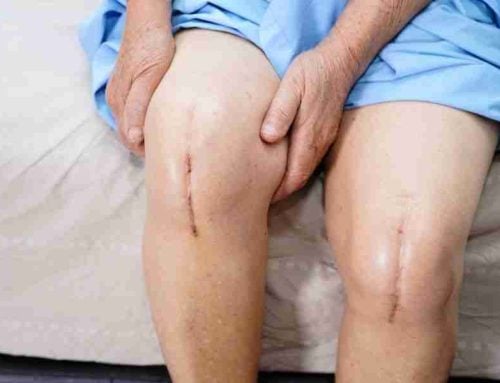

Knee replacement surgery has evolved significantly over the years, with various techniques and approaches tailored to meet individual patient needs. Among these, uncemented knee replacement is gaining attention as an alternative to the traditional cemented approach. This article explores the benefits and risks of uncemented knee replacement, compares it with cemented options, and identifies who may be the ideal candidates for this procedure.
What is Uncemented Knee Replacement?
Uncemented knee replacement is a surgical procedure where the artificial knee components are fixed to the bone without the use of bone cement. Instead, these components rely on a porous coating that allows the patient’s natural bone to grow into the implant over time, creating a secure and long-lasting bond. This technique is often referred to as “biological fixation.”
Benefits of Uncemented Knee Replacement
The uncemented approach offers several potential advantages:
- Biological Bonding: The bone integrates with the implant, creating a natural and durable connection.
- Longevity: For younger or more active patients, uncemented implants may provide a longer-lasting solution compared to cemented implants.
- Bone Preservation: Uncemented procedures preserve bone stock, which can be advantageous if a revision surgery is needed in the future.
- Improved Stability: Over time, the biological fixation can provide enhanced stability as the bone grows into the implant.
Risks and Challenges of Uncemented Knee Replacement
While uncemented knee replacement has its benefits, there are also some associated risks and challenges:
- Risk of Loosening: If the bone does not grow adequately into the implant, there is a risk of implant loosening, which may require revision surgery.
- Higher Initial Cost: Uncemented implants and procedures may be more expensive than their cemented counterparts.
- Increased Surgical Skill: This technique requires precise placement of the implant, making it essential to choose an experienced orthopedic surgeon.
Comparison with Cemented Knee Replacement
Cemented knee replacement, a traditional method, relies on surgical cement to secure the implant to the bone, whereas uncemented knee replacement utilizes bone integration for fixation.
In terms of longevity, uncemented knee replacements may last longer for active patients, whereas cemented replacements have a proven track record across all age groups.
Surgically, uncemented procedures demand greater precision and expertise, while cemented techniques are comparatively more forgiving.
Ideal Candidates for Uncemented Knee Replacement
Not all patients are suitable for uncemented knee replacement. Ideal candidates include:
- Younger Patients: Those under 60 years old with good bone quality, as their bones are more likely to grow into the implant.
- Active Individuals: Patients with an active lifestyle who place greater demands on their knee joint.
- Good Bone Health: Patients with sufficient bone density and quality to support the uncemented implant.
- Those Seeking Longevity: Individuals who prioritize the long-term durability of the implant over immediate recovery time.
Patients with osteoporosis or compromised bone health may be better suited for cemented knee replacement, as the cement provides immediate stability.
The Procedure: What to Expect
The process for uncemented knee replacement typically involves the following steps:
- Preoperative Assessment: Detailed evaluation of the patient’s bone quality, overall health, and suitability for the procedure.
- Surgery: The surgeon removes the damaged portions of the knee joint and positions the uncemented implant with precision.
Postoperative Recovery:
- Initial hospital stay of 2-4 days.
Physical therapy begins shortly after surgery to improve mobility and strength.
- Bone integration process takes several weeks to months.
Risks and Complications
Like any surgical procedure, uncemented knee replacement carries potential risks:
- Infection: As with all surgeries, there is a risk of infection.
- Blood Clots: Preventive measures, such as medication and compression devices, are used to minimize this risk.
- Implant Failure: Rare, but may occur if bone integration does not succeed.
- Pain or Stiffness: Some patients may experience ongoing discomfort or reduced range of motion.
Benefits vs. Risks: Making an Informed Decision
When deciding between uncemented and cemented knee replacement, it’s crucial to weigh the benefits and risks:
Uncemented Benefits:
- Longer-lasting results for active patients.
- Reduced risk of bone damage during future revision surgeries.
Cemented Benefits:
- Faster recovery time.
- Proven success across a wide range of patients.
Discussing your options with an experienced orthopedic surgeon can help determine the best approach for your needs.
FAQs
1. How long does it take to recover from uncemented knee replacement?
Recovery varies depending on the individual, with physical therapy playing a key role in the process.
2. Is uncemented knee replacement more expensive?
Yes, it can be more costly due to the advanced implants and surgical expertise required.
3. Can older adults undergo uncemented knee replacement?
While possible, older adults with weaker bones may be better suited for cemented knee replacement.
4. What happens if the bone doesn’t grow into the implant?
In rare cases, a revision surgery may be needed to address implant loosening.
Conclusion
Uncemented knee replacement offers a modern approach to knee joint repair, focusing on long-term durability and natural bone integration. While it may not be suitable for everyone, it presents an excellent option for younger, active individuals with good bone health. By understanding the benefits, risks, and ideal candidacy, patients can make informed decisions about their treatment. Always consult with a qualified orthopedic surgeon to explore whether uncemented knee replacement is the right choice for you.
This blog aims to provide a comprehensive overview of uncemented knee replacement, empowering patients to make well-informed decisions about their healthcare journey. For more personalized advice, reach out to your healthcare provider today.
Reference
Asokan A, Plastow R, Kayani B, Radhakrishnan GT, Magan AA, Haddad FS. Cementless knee arthroplasty: a review of recent performance. Bone Joint Open. 2021;2(1):48-57. doi:10.1302/2633-1462.21.BJO-2020-0172.R1. Source