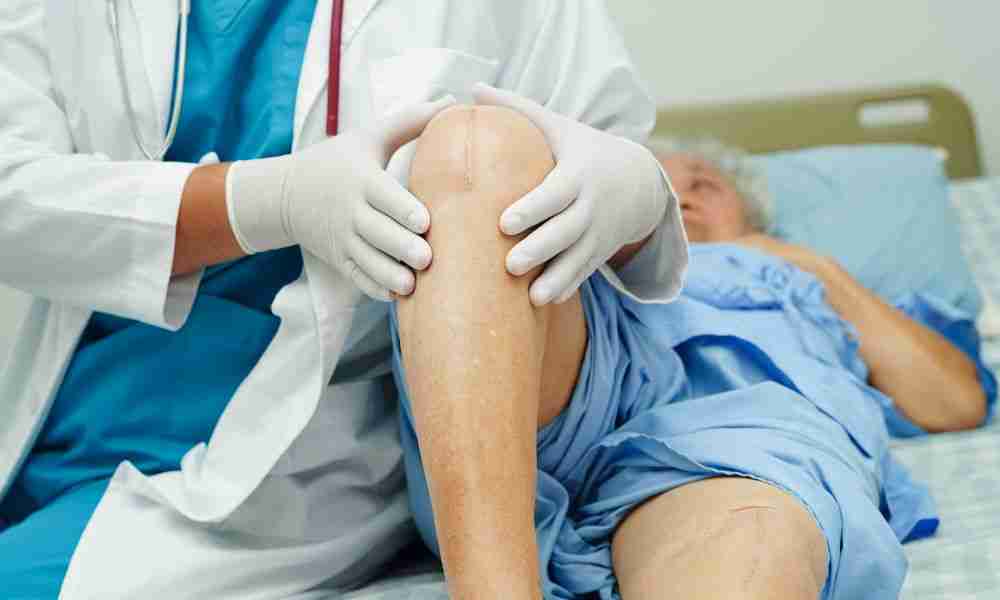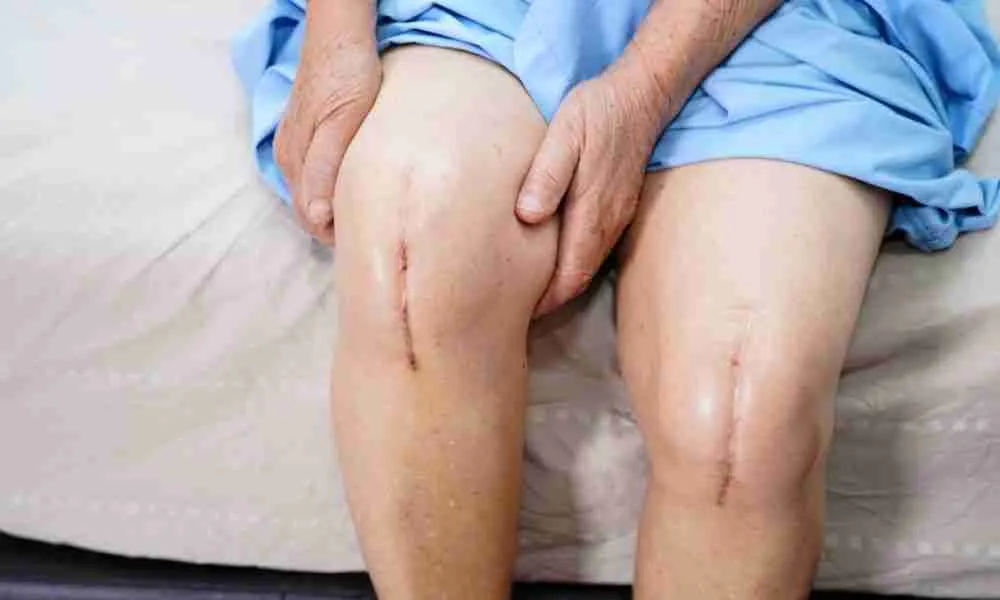

Knee replacement surgery can be life-changing, offering significant relief from pain and improved mobility. However, returning to physical activities like hiking may seem daunting for many. However, hiking after knee replacement is possible—and even beneficial with the right approach. This blog will discuss recovery milestones, gear recommendations, and exercises to help you prepare for hiking, allowing you to stay active and enjoy the outdoors again.
Recovery Milestones: What to Expect
Recovery after knee replacement surgery is a journey, and each person’s timeline will vary. Understanding the key milestones in your Recovery will help you gauge when it is safe to resume activities like hiking.
Initial Recovery (0-6 Weeks)
During this stage, the focus is on reducing swelling, managing pain, and restoring basic movement. Most people will need assistance walking, whether it’s crutches or a walker.
Exercises will primarily involve gentle range-of-motion activities to prevent stiffness and keep the muscles around the knee from weakening.
Intermediate Recovery (6-12 Weeks)
As you begin walking without assistance, strengthening exercises become crucial. Light activities such as walking on flat surfaces or stationary cycling can be beneficial.
Your doctor or physical therapist may clear you for walking on even terrain at this stage.
Advanced Recovery (3-6 Months)
You can begin practicing hiking on easy, flat trails. While you may still be building strength, moderate walking or hiking on smooth terrain can be a great way to progress.
Full Recovery (6+ Months)
Once you have reached full Recovery, you may enjoy more challenging hikes, depending on your fitness level and your surgeon’s recommendations.
Studies have shown that gradual physical activity like hiking can improve functional abilities in those recovering from knee replacement surgery (Hepperger et al., 2017). These activities can even help maintain or increase sports participation in the long term (Hepperger et al., 2018).
Recommended Gear: Setting Yourself Up for Success

Having the right gear is essential for hiking after knee replacement surgery. Proper equipment can minimize stress on the knee and increase your comfort, making each hike safer and more enjoyable.
Footwear
Choose shoes with excellent arch support, cushioning, and a stable grip. Hiking boots that offer ankle support are handy for uneven terrain, ensuring stability while walking.
Knee Braces or Supports
A knee brace can provide added stability during the early stages of hiking. Consult your physical therapist to see if a brace might benefit you based on your recovery needs.
Hiking Poles
Using trekking poles helps distribute your weight more evenly, reducing the strain on your knees. They also assist with balance, especially on uneven or slippery trails.
Compression Sleeves
If you experience swelling or discomfort during or after your hike, compression sleeves can help manage it and improve circulation around the knee.
Exercises to Prepare for Hiking
Preparing for hiking requires strengthening key muscle groups around your knee and improving your flexibility and stamina. Here are some exercises to include in your pre-hiking regimen:
Strengthening Exercises
- Quad sets: Sit with your leg straight and tighten the muscles at the front of your thigh. Hold for a few seconds, then relax. That helps to strengthen the quadriceps, which is crucial for knee stability.
- Leg raises: Lie on your back and lift one leg at a time to work the quadriceps and hip flexors.
- Bridges: Lie on your back with your knees bent and feet flat on the floor. Lift your hips, keeping your feet and shoulders planted. That targets the glutes, hamstrings, and core, important muscles for hiking.
Stretching and Flexibility
- Hamstring stretches: Stretch your hamstrings to improve flexibility and prevent stiffness.
- Calf stretches: Stand and lean to stretch the calves, improving lower-leg flexibility.
Cardio Conditioning
- Walking: Begin with short walks on flat terrain and gradually increase your distance as you build stamina.
- Swimming or cycling: These low-impact activities help build cardiovascular fitness without stressing the knee.
Tips For Hiking After Knee Replacement
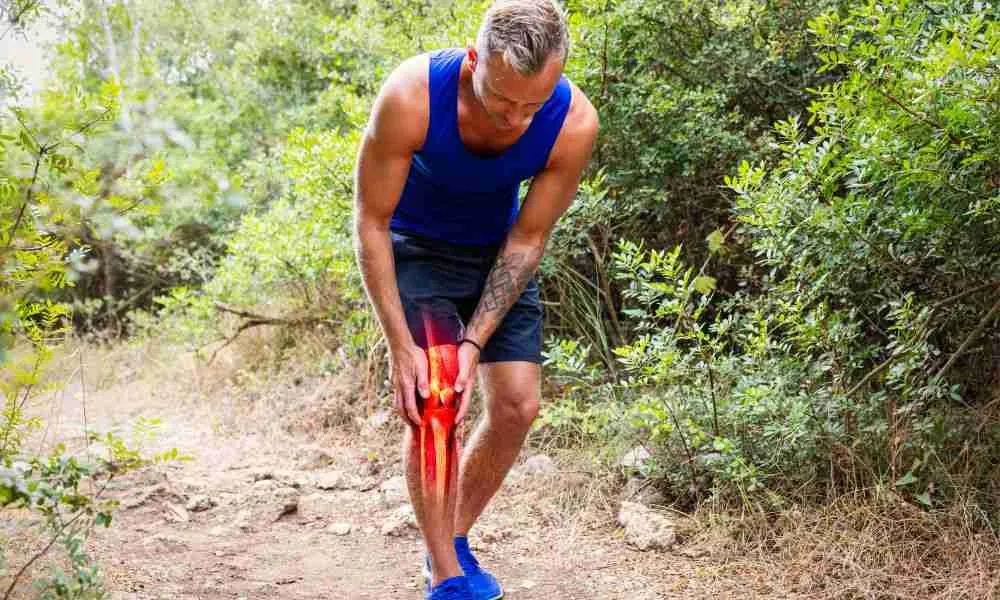
- Start Slowly: Begin with easy, flat, or slightly inclined trails. Ensure the trail is well-maintained and free from obstacles like rocks or roots.
- Choose the Right Terrain: Avoid steep, rocky, or uneven terrain at first. Stick to gentle, well-marked paths to minimize risk.
- Take Regular Breaks: Hiking after knee replacement can be tiring, so pace yourself. Take breaks as needed to rest and prevent fatigue.
- Hydrate and Fuel: Bring water and healthy snacks to stay hydrated and energized throughout your hike. Proper nutrition and hydration are key to maintaining energy levels.
- Listen to Your Body: If you feel any sharp pain, swelling, or discomfort, stop and rest. It is important to listen to your body and give yourself time to recover between hikes.
Conclusion
Hiking after knee replacement is a realistic goal, but it is important to approach it with patience and proper preparation. By understanding your recovery milestones, using the right gear, and incorporating strengthening and stretching exercises into your routine, you can safely return to hiking and stay active. Research shows that engaging in physical activities like hiking can help improve knee function and overall well-being following knee replacement surgery (Hepperger et al., 2017; Hepperger et al., 2018). Always consult with your healthcare provider before resuming any physical activity to ensure you are ready for the demands of hiking. With the right approach, you will soon be back on the trails, enjoying the benefits of the great outdoors.
References
Hepperger C, Lützner J, Kretzer JP, et al. The effects of a 3-month controlled hiking programme on the functional abilities of patients following total knee arthroplasty: a prospective, randomized trial. Knee Surg Sports Traumatol Arthrosc. 2017;25(10):3387-3395. Source
Hepperger C, Gföller P, Abermann E, et al. Sports activity is maintained or increased following total knee arthroplasty. Knee Surg Sports Traumatol Arthrosc. 2018;26(5):1515-1523. Source