
Joint replacements, such as knee, hip, and shoulder implants, have significantly enhanced the lives of individuals suffering from chronic pain and mobility limitations. However, despite their success, recalls do occur. These recalls can be concerning for patients, as they may have implications for both health and well-being. This blog will explain what a recalled joint implant means, why these implants are recalled, how patients are notified, and the steps to take if you find yourself with a recalled implant.
Why Are Joint Implants Recalled?
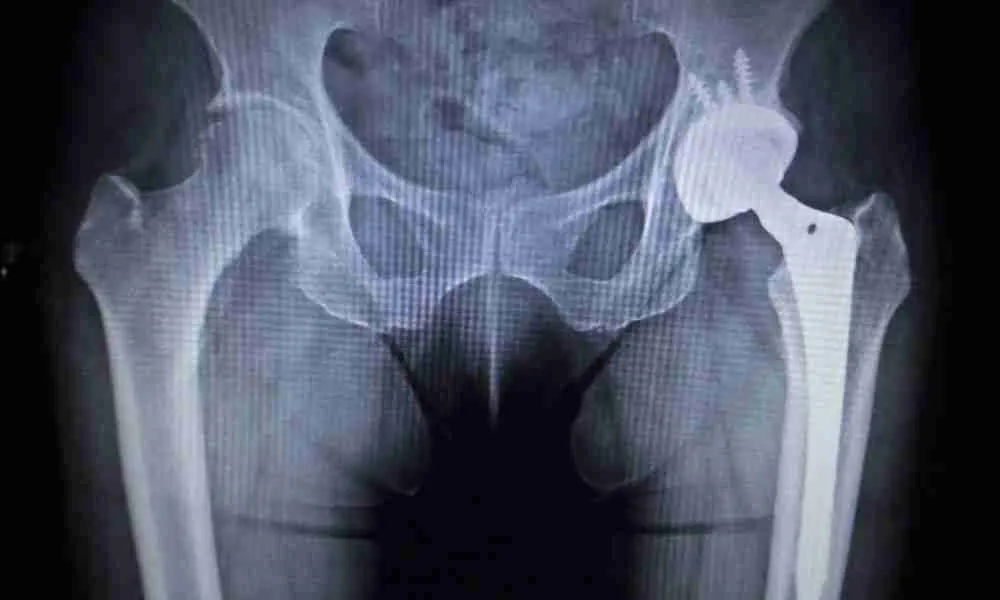
Joint implants are designed to alleviate pain and improve mobility for patients with joint-related conditions. However, recalls occur for various reasons, primarily concerning issues with the implant’s design, materials, or performance. Some of the common reasons for joint implant recalls include:
Design or Manufacturing Defects
A design or manufacturing process flaw can affect the implant’s function. For instance, the failure of dual-modular hip implants was attributed to issues like fretting and corrosion between components, leading to a recall (Elmallah et al., 2016).
Material Failures
Joint implants are typically made from metal alloys, plastics, or ceramics. Problems like premature wear or corrosion, especially in metal-on-metal implants, can lead to severe complications, including inflammation or toxicity. For example, the ASR hip resurfacing implant was found to have a high failure rate, prompting widespread recalls (Bitar et al., 2021).
Infection Risk
If an implant is contaminated during manufacturing, it can pose an infection risk to the patient. Infections can complicate healing, leading to further surgeries and health issues.
Premature Wear or Loosening
Implants are designed to last for many years. However, some may fail earlier than expected, leading to instability or pain. That contributed to recalls of earlier-generation hip replacements (Banerjee & Mont, 2014).
How Are Patients Notified About a Recalled Joint Implant?
Once a recall is issued, patients must be informed to take the necessary actions. There are several ways in which patients are notified about a recalled joint implant:
Direct Manufacturer Notifications
In many cases, the manufacturer will contact patients directly, especially if they have records of those who received the implant. These notifications typically include information about the nature of the recall, potential risks, and instructions on what to do next.
Healthcare Provider Communication
Surgeons and healthcare providers are often informed about recalls and are responsible for contacting their patients. If you have had a joint implant, your doctor or surgeon will likely notify you and discuss the next steps based on the recall’s specifics.
FDA Alerts
The U.S. Food and Drug Administration (FDA) monitors the safety of medical devices and issues public alerts when a recall occurs. These alerts provide information about the implant and its risks. Patients can check the FDA website for updates on recalled implants.
Public Awareness Through Media
In some cases, recalls may be reported in the media, mainly if the implant is widely used or a significant issue affecting many patients. However, this should not be the sole source of information—patients should always confirm recall details with their healthcare provider or the FDA.
Steps To Take If You Have A Recalled Joint Implant
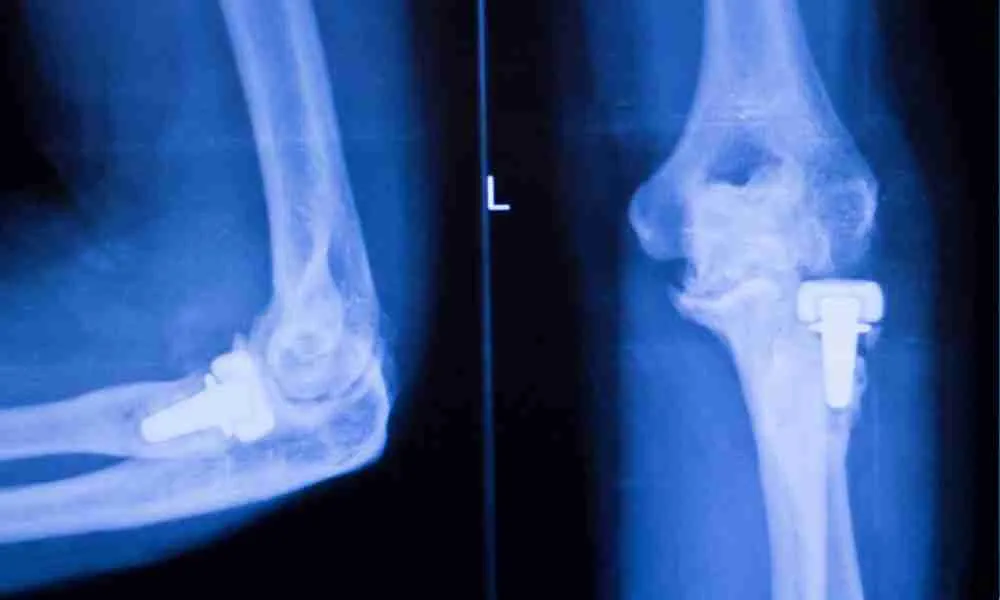
If you learn that your joint implant has been recalled, it is important to take swift action to safeguard your health. Here are the recommended steps:
- Consult Your Healthcare Provider: Contact your doctor or orthopedic surgeon immediately to discuss the recall. They will provide guidance on what steps to take next. Depending on the nature of the recall, your doctor may suggest additional diagnostic tests to evaluate the condition of your implant.
- Follow Your Doctor’s Advice: Based on the results of the tests, your doctor may recommend monitoring your implant over time, surgical revision, or, in some cases, complete removal and replacement of the implant. It is essential to follow their advice to prevent complications.
- Identify Your Implant’s Details: Keep a record of the model, manufacturer, and relevant implant details. This information can usually be found in your medical records. If unsure, ask your healthcare provider for help identifying your implant.
- Legal Consultation: If you have suffered harm due to a recalled implant, you may want to consult with a lawyer. Legal experts can provide advice regarding compensation or other remedies available to you, especially if you have faced significant complications (Bitar et al., 2021).
- Stay Informed: Continuously monitor the situation by contacting your healthcare provider. Ensure you are updated on any new developments regarding the recall or necessary follow-up procedures.
FAQs

How will I know if my joint implant has been recalled?
If your device is part of a recall, your healthcare provider or the implant manufacturer will notify you. It is crucial to update your contact information with your doctor and the implant manufacturer.
What should I do if I do not feel any symptoms but my implant is recalled?
Even if you do not feel symptoms, you should follow up with your doctor for regular checkups. Some implant issues may not be immediately noticeable (Banerjee & Mont, 2014).
What happens if my recalled implant needs to be replaced?
If your recalled implant needs replacement, your doctor will discuss available options. That may involve additional surgery, and your healthcare provider will guide you.
Conclusion
Recalled joint implants seem like a daunting issue. However, with the right knowledge and the proper steps, patients can confidently navigate this situation. If you have a recalled joint implant, stay informed by consulting your healthcare provider, who will guide you through the necessary steps to ensure your health and safety. Remember, while recalls can be concerning, they are often made to prevent potential issues and to ensure the long-term success of your joint replacement. By staying proactive and following medical advice, you can continue enjoying your implant’s benefits while minimizing risks. Always prioritize your health by seeking timely medical advice and action when dealing with “Recalled Joint Implants.”
References
Abu Al-Rub Z, Hussaini M, Gerrand CH. What do patients know about their joint replacement implants? Scot Med J. 2014;59(3):158-161. Source
Elmallah RK, Cherian JJ, Meneghini RM, et al. How to approach a recalled dual modular hip implant: an update. J Arthroplasty. 2016;31(11):2646-2652. Source
Bitar C, Krupic F, Felländer-Tsai L, Crnalic S, Wretenberg P. Living with a recalled implant: a qualitative study of patients’ experiences with ASR hip resurfacing arthroplasty. Patient Saf Surg. 2021;15:1-9. Source
Banerjee S, Mont MA. Dealing with recalled components. J Arthroplasty. 2014;29(4):661–662. Source