

Pain control, modernized

Major surgery no longer means a bottle of narcotics

The best way to fight surgical pain is to create less of it — then control what remains with layered, mostly non-opioid tools. Dr. Morton's patients routinely use a fraction of the opioids they feared, and many stop within days.

  • Multimodal anesthesia
  • Regional nerve blocks
  • iovera° pre-treatment
  • Less trauma by design
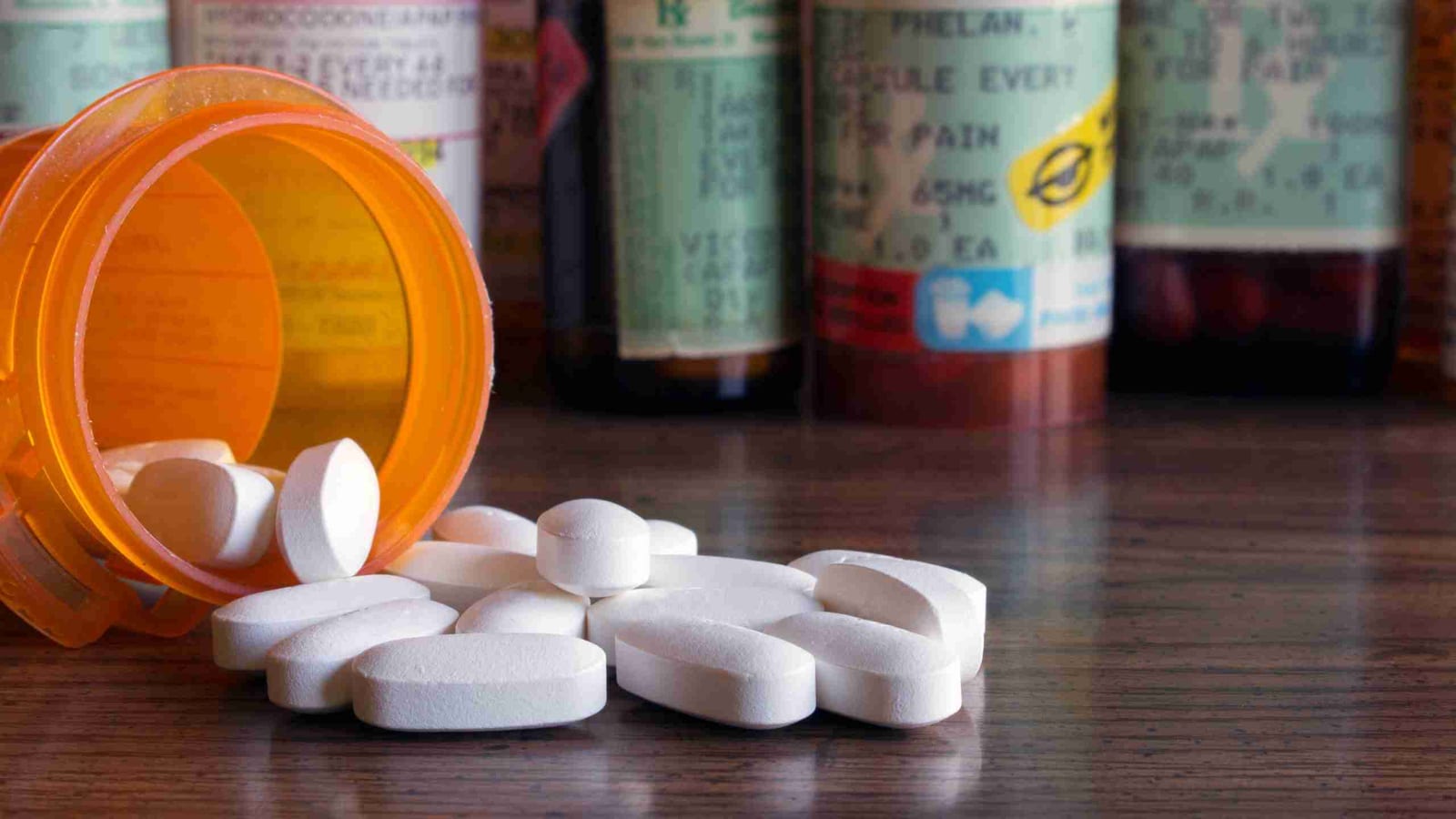
Prescription pain medication bottles with pills spilled onto a table — the opioids that modern multimodal surgery is designed to minimize.

Opioid-Sparing Multimodal Pain Management at a glance

Strategy
Prevent pain, don't chase it
Layers
Blocks + local + scheduled non-opioids
Opioids
Small rescue supply; many stop in days
Knee bonus
iovera° freezes pain nerves pre-op

Pain plans are personalized — history, medication tolerances, and prior experiences all shape your protocol. Tell us what worried you last time; that's exactly what we plan around.

Why opioid-sparing matters — especially here

Opioids control pain at a price: nausea, constipation, fog, falls, and for a meaningful minority, dependence that outlives the surgery. Hawai‘i's families know these stories. The modern answer isn't asking patients to tough it out — it's engineering the operation and anesthesia so severe pain never gets established. Studies associate fellowship-trained joint surgeons with lower patient opioid use; protocol design is a large part of why.

Layer one: create less pain in the first place

Pain control starts with the scalpel, not the pharmacy:

Layer two: multimodal anesthesia

During and after surgery, several small hammers replace one sledgehammer: regional anesthesia for the operation itself, targeted nerve blocks, long-acting local anesthetic infiltrated around the joint, and scheduled non-opioid medication — acetaminophen and anti-inflammatories on the clock, not as afterthoughts — plus cryotherapy, elevation, and compression at home (the full home plan lives at medication after surgery). A small opioid supply exists as rescue, not backbone; many patients barely open it.

Layer three: iovera° — freezing pain before surgery

For knee replacement, Dr. Morton offers a step most practices don't: iovera° cryoneurolysis before surgery. A handheld device precisely freezes the sensory nerves around the knee — no drugs, no permanent damage — dialing down pain signaling for roughly up to six months while nerves regenerate. Patients arrive at surgery with the pain pathway already quieted, needing less of everything afterward. It's also used standalone for arthritis pain in patients not ready for surgery.
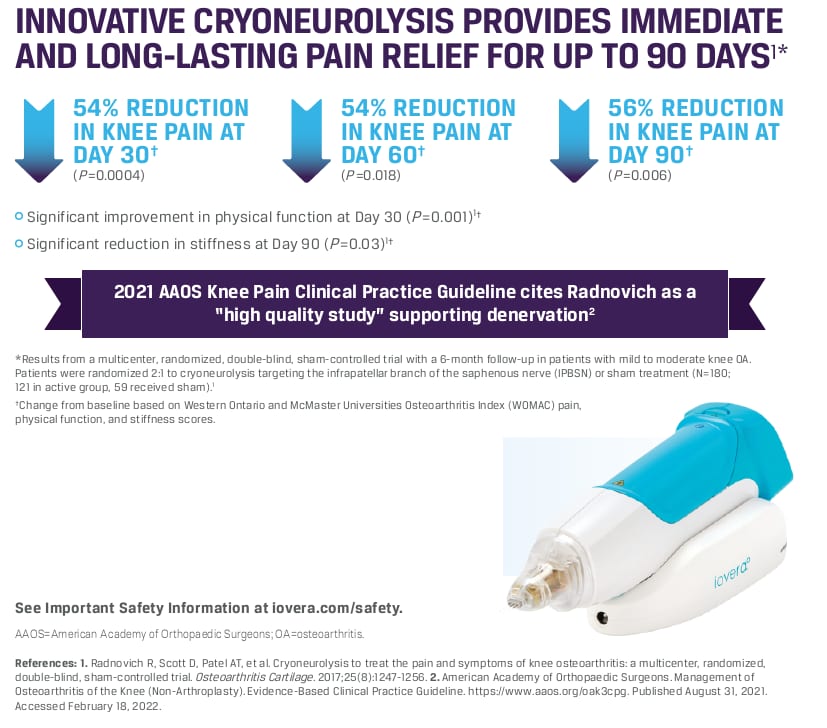
Infographic showing clinical trial results of iovera cryoneurolysis reducing knee pain for up to 90 days.
Clinical trial data: iovera° cryoneurolysis can reduce knee pain for up to 90 days after treatment.

Medically reviewed by Paul N. Morton, MD, FAAOS, FAAHKS — board-certified orthopedic surgeon, fellowship-trained in adult hip & knee reconstruction and orthopedic trauma.

This page is for education only and isn’t a substitute for an exam and personalized advice — schedule a consultation to discuss your situation.

The difference

Why patients choose Dr. Morton

  • Muscle-sparing, tourniquet-free technique creates less pain to treat
  • Regional blocks + long-acting local anesthetic at the joint
  • iovera° cryoneurolysis available before knee replacement
  • Scheduled non-opioid medication does the daily work
  • Opioids as small rescue supply — with a taper plan
  • Honest pain expectations set before surgery, not after

Frequently asked questions

Will I be in agony without strong opioids?
No — that's the point of the protocol. By preventing severe pain with blocks, local anesthetic, and gentler technique, the remaining discomfort is manageable with scheduled non-opioids plus a small rescue supply. Most patients report surgery hurt meaningfully less than they feared.
What if I've had bad experiences with pain control before?
Tell us everything — what failed, what caused side effects, what scared you. Prior bad experiences usually reflect old-style protocols (tourniquets, quad-splitting approaches, opioid-only plans), and they're exactly what this protocol was built to replace.
How does iovera° work, and does it hurt?
A handheld device cools the skin-level sensory nerves around the knee through tiny probes, pausing their signaling for months while they safely regenerate. The office treatment takes minutes with local numbing — brief cold discomfort, then quieter pain signaling into and after surgery.
I'm in recovery from substance use. Can I still have joint replacement?
Yes — and you deserve a plan that protects your recovery. The protocol can be run with minimal or no opioids, coordinated with your support physicians. Raise it openly at consultation; it changes planning, never eligibility.
Do I still get a prescription for opioids?
Typically a small rescue supply with clear taper instructions and safe disposal guidance. Many patients finish recovery with most of it untouched — which is the outcome we design for.

Ask what your pain plan would look like

Consultations in Honolulu, West Oahu, Hilo and Kona — most new patients are seen within one to two weeks — with telehealth when an in-person visit isn’t practical.

Paul Norio Morton, MD, FAAOS, FAAHKS · Hawai‘i’s first robotic hip & smart knee · Read patient reviews →

Most major plans accepted — we verify benefits before your visit. Traveling from off-island? See the fly-in patient program →

CallSchedule Appointment